
Selling your home while living in it: why more and more Italians are choosing bare ownership
Susanna Fiorletta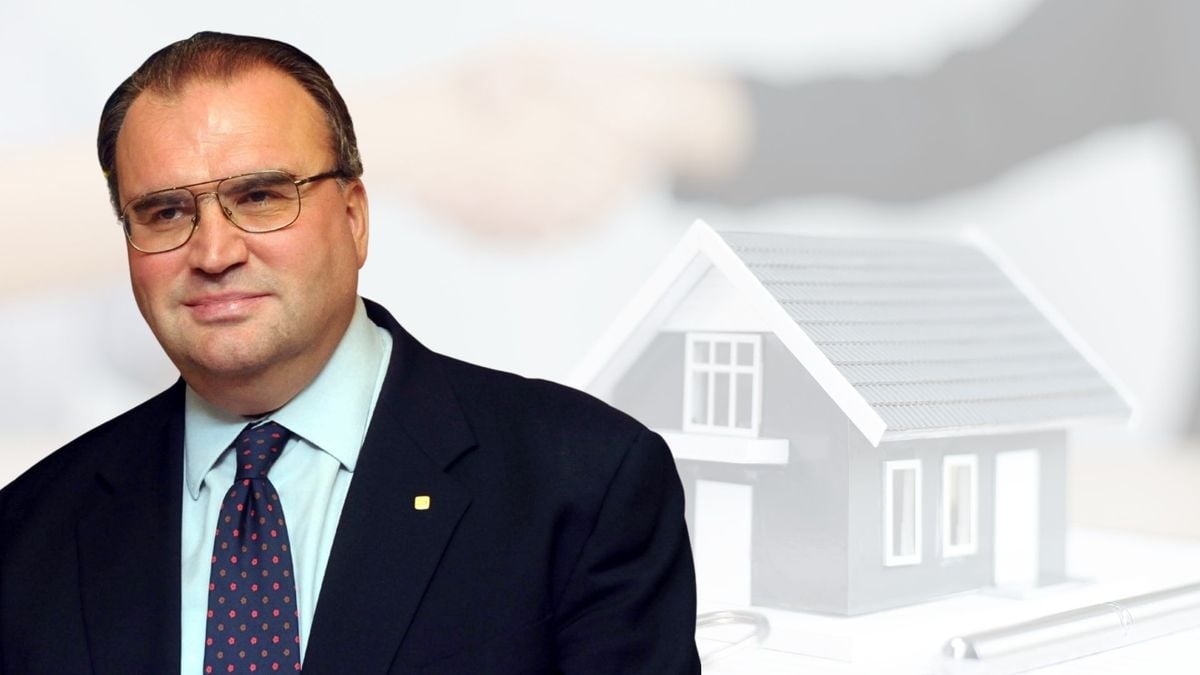
Interview to Alberto Zanni, President of Confabitare
President, let's talk about bare ownership: according to your analysis, in 2024 these transactions increased by 20% compared to the previous year. What details emerge?
"Yes, the numbers speak for themselves: in 2024, bare ownership sales increased by 20% compared to 2023.
Behind these numbers are real people, stories, and needs. We are talking about approximately 97,000 retirees throughout Italy who, while remaining in their homes, have chosen the bare ownership option to cope with the economic crisis, thus having the opportunity to enjoy a financially secure retirement.
Bologna leads this trend with an increase of 36%, followed by large cities such as Rome, Turin, and Milan. Emilia-Romagna alone accounts for 39% of total sales.
The types of properties most affected are two- and three-room apartments, but we are also seeing an increase in sales of detached houses: a sign that the choice of bare ownership is no longer an exception, but an increasingly common response to economic hardship.
Confabitare, the national association of property owners, is at the forefront of listening to and protecting property owners, in this case to guarantee dignity and security to those who have built their assets, often with great sacrifice."
What is the profile of those who sell bare ownership?
"Those who sell bare ownership are on average 75 years old and receive a modest pension of around €1,100 per month. But this is only the demographic aspect.
In reality, they are often lonely people with few family ties or no direct heirs, who choose this path so they don't have to depend on anyone. They want to continue living in their homes, but they need immediate liquidity to pay bills, medical expenses, and increasingly high costs.
Others do it to help their children and grandchildren, putting their assets on the line to support new generations increasingly crushed by the precariousness of these times. It is a gesture of great generosity, but above all a sign of a system that is not working as it should."
And what about those who buy?
“The typical buyer is between 45 and 54 years old. They are people who look to the future with realism: perhaps they have children and want to secure a foundation for them, or they want to build security for when they retire. In many cases, these are families who would not be able to immediately afford a home at full price, but see bare ownership as a smart and sustainable solution for the long term. It is in the Italian spirit to try to find a balance using what is available: there are those who have a home but little money, and those who have some savings but cannot afford a traditional purchase."
What are the main reasons for selling in this way? And what about the buyers?
"Those who sell often do so because they have no alternative. They do not want to or cannot leave their home, but they urgently need cash. And there are also those who, with great dignity, choose this path to help their children and grandchildren financially, giving up something of their own to give others an opportunity.
Buyers, on the other hand, do so because they want a safe, sustainable investment. But in many cases, and it is fair to say, they approach bare ownership with respect, aware that they are entering into a history already lived by others. There is a form of solidarity between generations that meet on common ground."

Explore the content you want to learn more about
Editorials
Editorials by the President Ilario Antonio Toscano
13 NewsObservatory
Real estate analysis, data, and trends
10 NewsGruppo Toscano World
All articles related to Gruppo Toscano world
24 News